

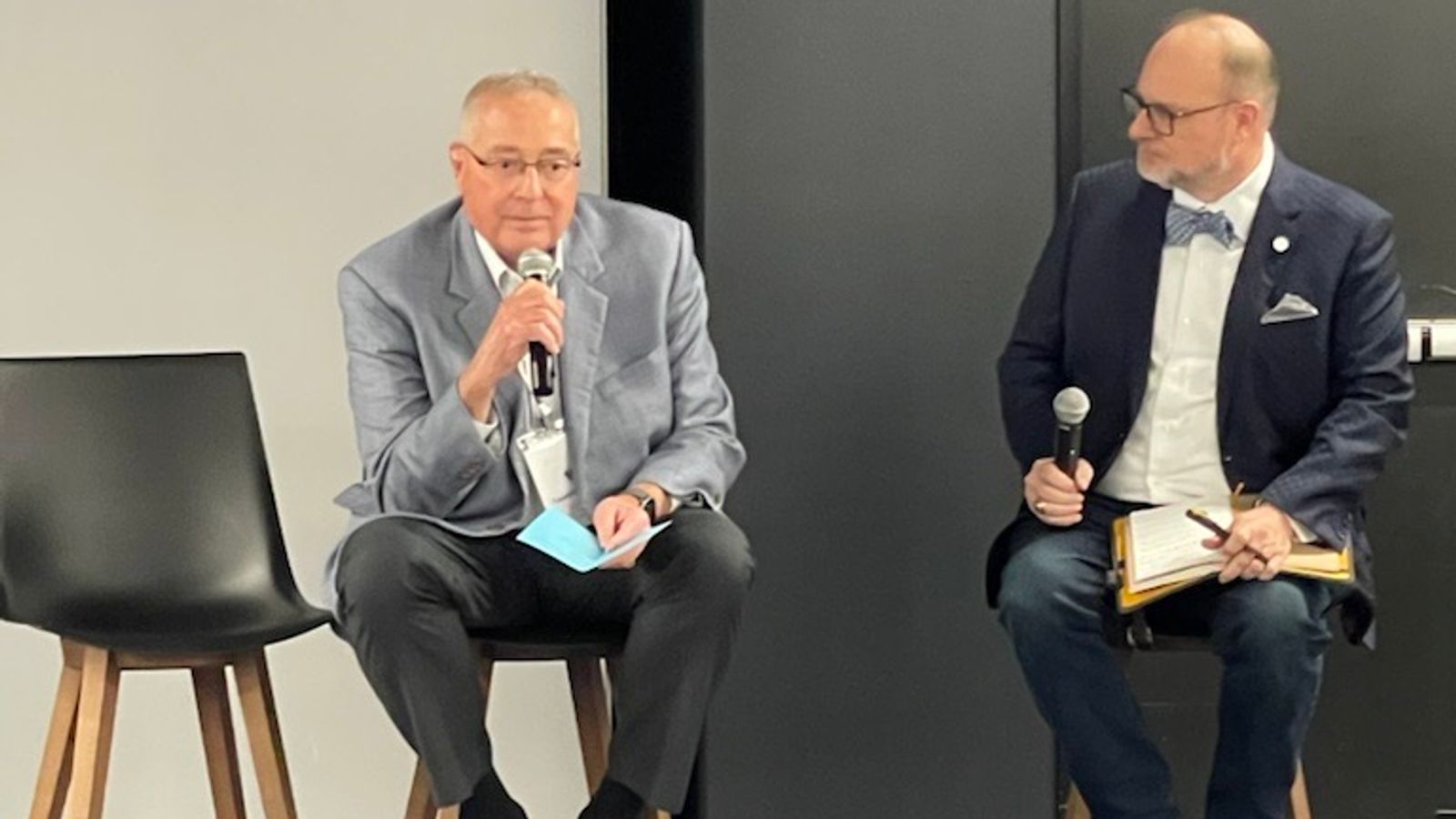
That question connected several discussions at TalentNet Live Dallas, held November 6 at Caliber Collision headquarters in Lewisville, Texas. NXTThing Founder Terry Terhark joined Jim D’Amico, Caliber Collision’s Vice President of Global Talent Acquisition, for “The New Talent Acquisition Operating Model.” Their session helped frame a practical conversation about how recruiting work needs to evolve.
Five takeaways
- Faster screening needs faster Hiring Manager decisions
- Design recruiting around human judgement and relationships
- Measure recruiter workload beyond requisition counts
- AI adoption starts with leadership and training
- Candidate fraud is a growing concern
Faster screening needs faster Hiring Manager decisions
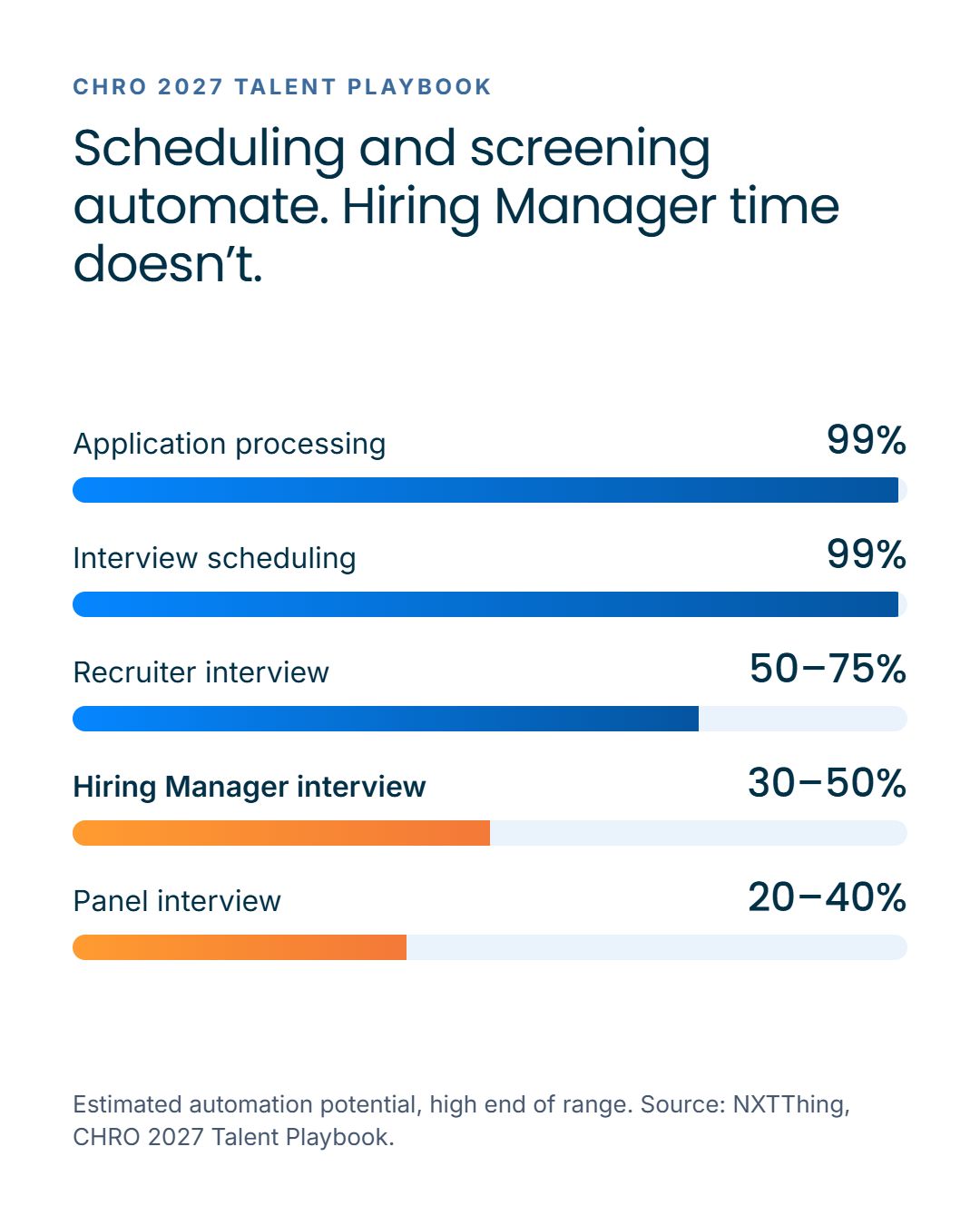
When screening and outreach accelerate, Hiring Manager feedback, approvals, and interview availability can become the next constraints. One company example shared during the morning discussions illustrated that shift. Screening and candidate submissions increased, but the next challenge was getting Hiring Managers to respond and move candidates forward.
For recruiting leaders, faster screening only helps if the team can keep candidates moving. Hiring Managers need time to review candidates, provide feedback, and conduct interviews. Set clear expectations for how quickly those steps should happen and who will follow up when things slow down.
Design recruiting around human judgement and relationships
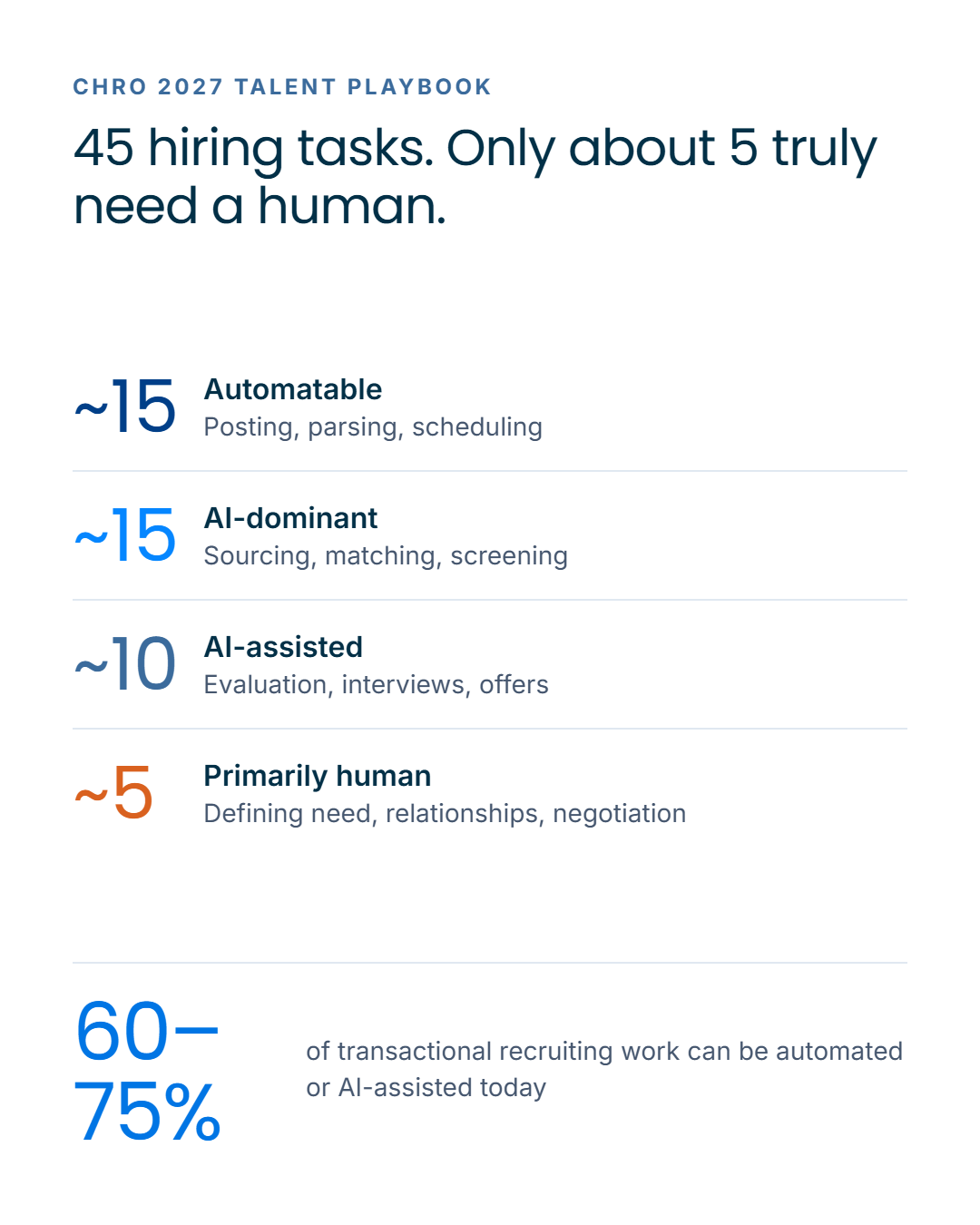
A new recruiting operating model starts with deciding where human judgement and relationships matter most. The morning discussions emphasized identifying those moments and organizing automation around them. Routine outreach or initial screening for standard roles may offer opportunities to reduce repetitive work. A difficult technician search in a specific market may need a more tailored sourcing strategy. That distinction helps teams make deliberate decisions about recruiter time.
- Where does a candidate need an explanation?
- Where does a Hiring Manager need guidance?
- Which tasks follow a repeatable pattern?
The answers can help determine what to automate, what to support, and where recruiters should stay closely involved.
Measure recruiter workload beyond requisition counts
Two recruiters with the same number of openings may be carrying very different workloads. In her afternoon session, Melissa Thompson, Global Head of Talent Acquisition at Ford Motor Company, described a weighted approach to recruiter capacity. Her model considers factors including role level, specialized skills, location, and historically lengthy searches.
She also shared details about Project Bengal, a focused initiative that directed support toward requisitions needing attention. The reported work included:
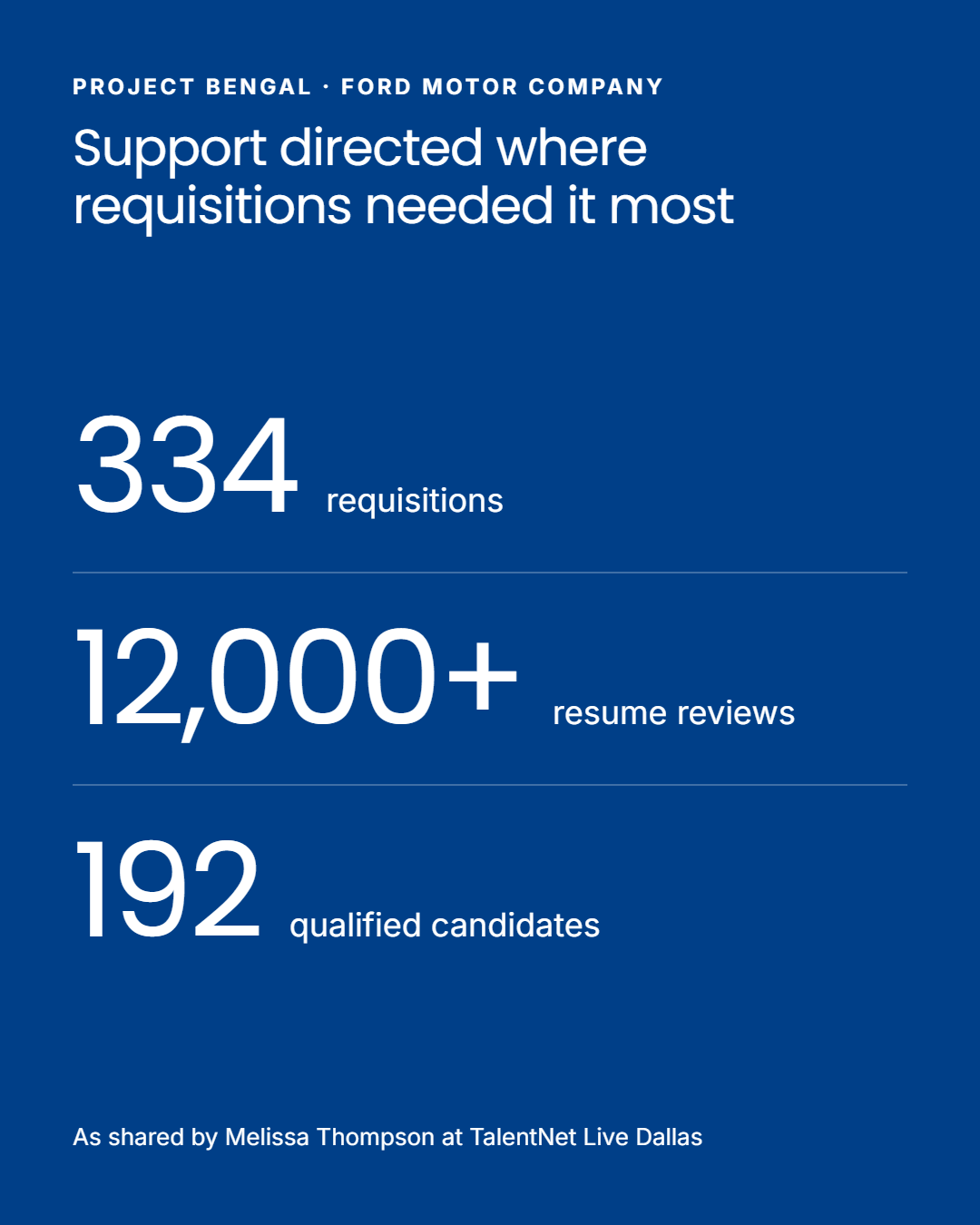
The broader lesson is to make workload visible enough to direct help where it is needed. Before asking whether a recruiter can take another opening, ask what the existing assignments require.
AI adoption starts with leadership and training
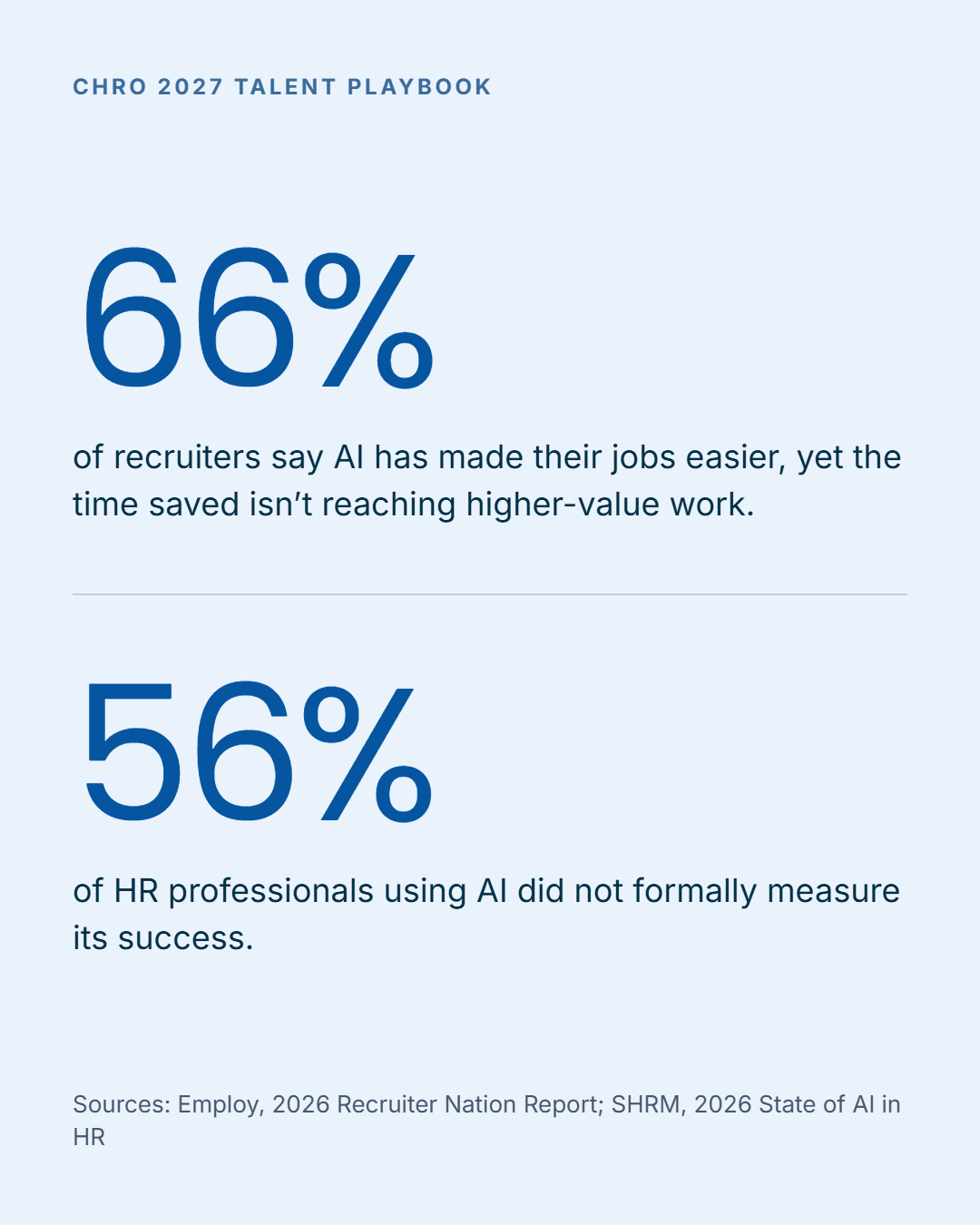
Technology creates capacity when teams incorporate it into their work. Thompson described demonstrating an AI prompt herself before handing it to her team. Training, quick reference materials, and a way to measure return were part of making adoption practical.
Her approach to small, focused “tiger teams” offered another useful pattern:
- Define a problem.
- Assign a leader who can remove blockers.
- Include people willing to challenge assumptions.
- Build a working prototype.
For leaders, that suggests a manageable starting point. Choose one recurring problem, test an approach with the people doing the work, and review what changes. Give the team a routine for using and improving it.
Candidate fraud is a growing concern for recruiting leaders
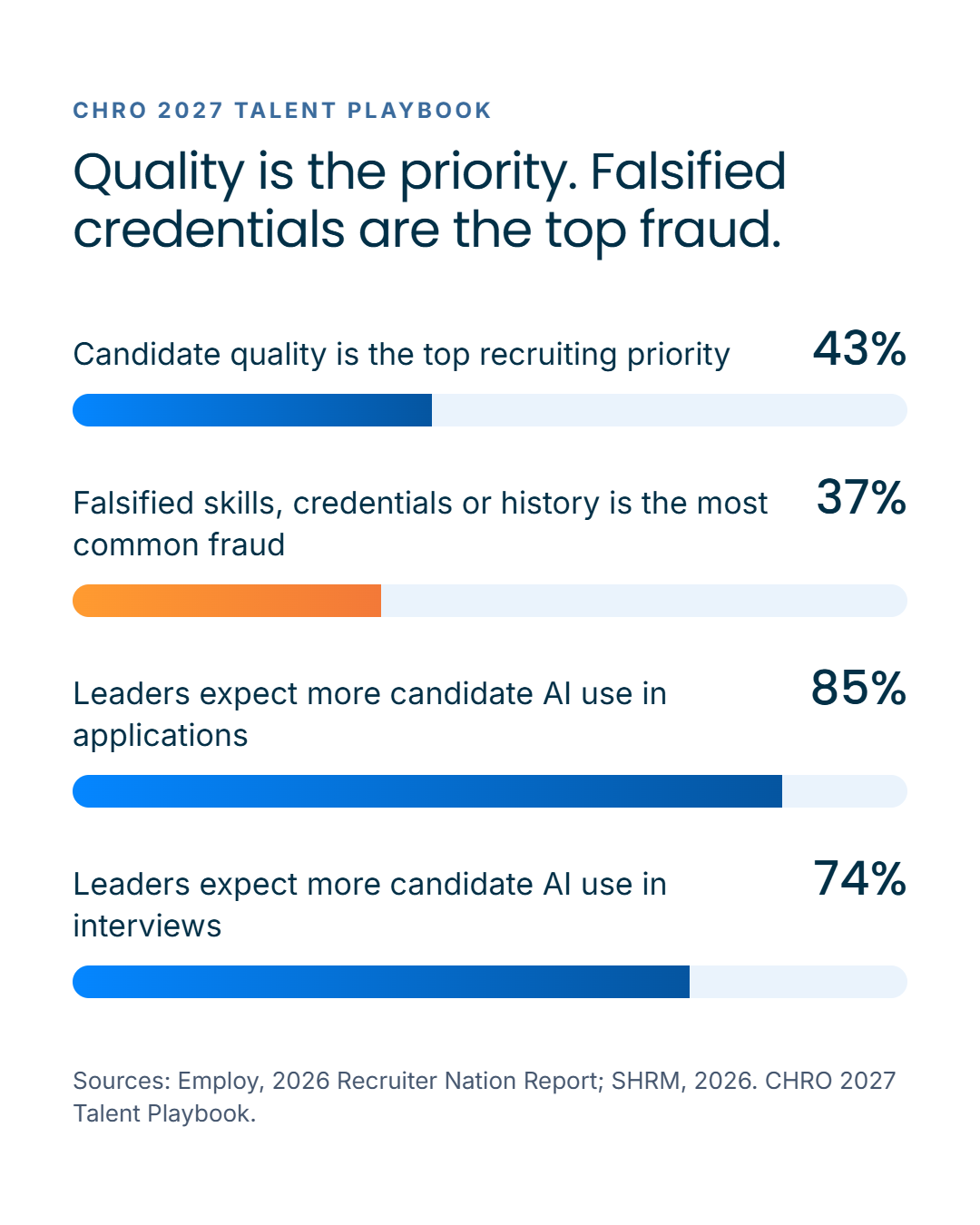
Candidate fraud came up in sidebar conversations, including concerns about white fonting in resumes and laptop farms. These discussions added another consideration for TA leaders evaluating their hiring processes: how to maintain confidence in candidate information as technology changes.
For recruiting teams, that means considering verification and human review alongside speed and efficiency.
Give recruiters more time with candidates and Hiring Managers
Recruiting still depends on influence, relationships, and informed judgement. The discussions reinforced the importance of recruiters explaining opportunities, understanding candidates, and helping Hiring Managers assess fit. Faster processing should create more room for that work.
At NXTThing, we start with the recruiting challenge and the people involved. Understanding where decisions stall and where expertise matters helps us identify the right combination of recruiting support and technology.
Our Takeaway
Faster tools need a process that can keep up. Make the handoffs clear, support adoption, and use the capacity you gain to give candidates and Hiring Managers more of your team’s attention.
About NXTThing
At NXTThing, we start by listening to the people doing the work. Understanding what is getting in their way helps us bring the right recruiting support and technology to the problem.