

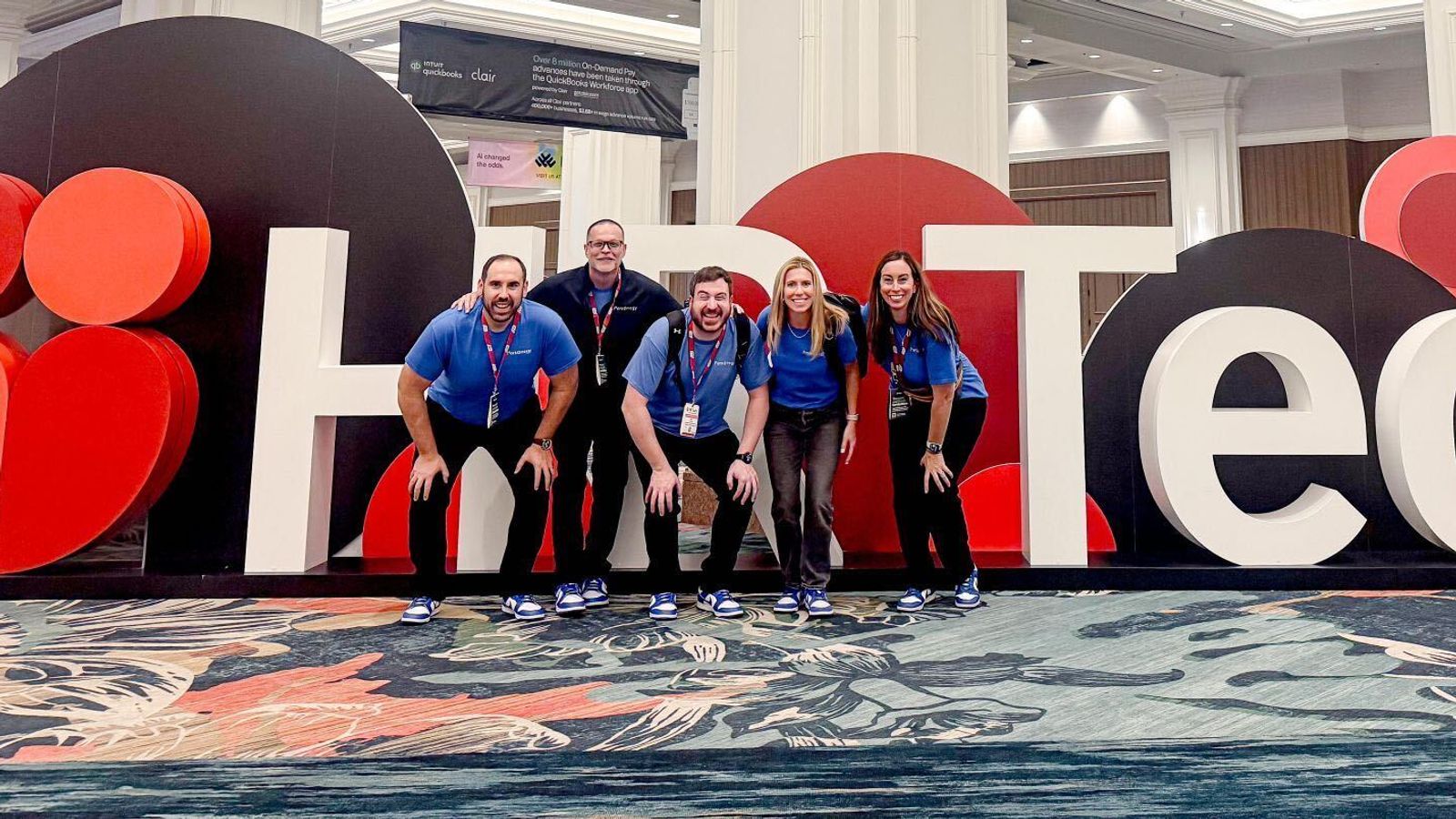
AI was everywhere at HR Tech 2026 in Las Vegas. But in our conversations with recruiting teams, the questions were familiar:
- How do we reach the right candidates?
- Why are interviews still taking so long to arrange?
- Is the technology we already have making the work easier?
At NXTThing, those are the questions we start with, too. The answer might be recruiting support, technology or a mix of both. It depends on what your team needs.
Conversations at our booth and around the event brought that into focus. Here’s what we heard and what it means for the hiring decisions ahead.
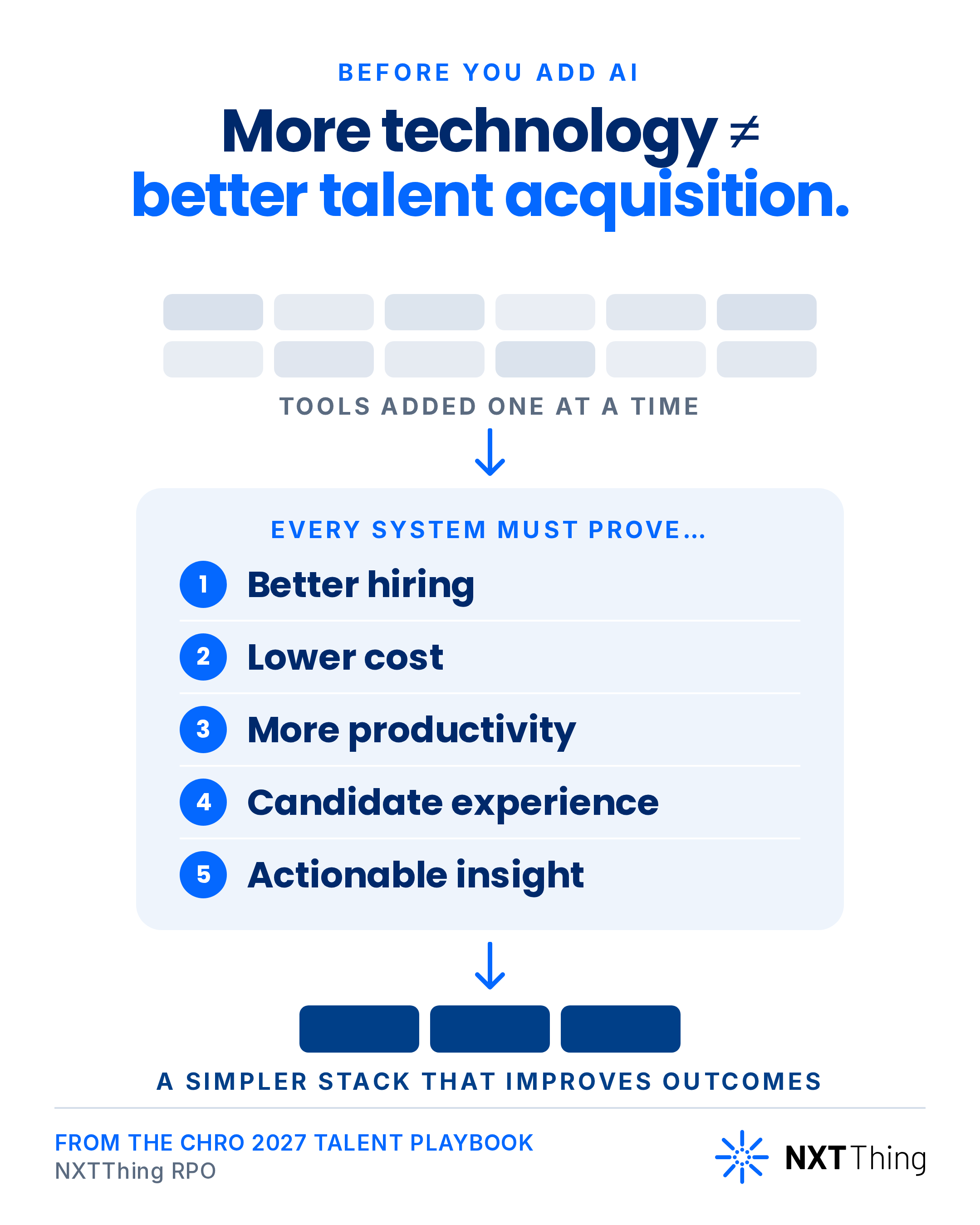
Before you add AI, get clear on what needs to change.
The question we heard:
“How do you separate AI promises from practical value?”
Several attendees told us they were overwhelmed by AI recruiting options. Some struggled to see the difference between solutions. Others already had AI in place but weren’t sure what they were getting from it.
That’s a good reason to pause before adding another tool. If you have plenty of applicants but interviews aren’t getting booked, more applications won’t fix the delay. If the right candidates aren’t finding you, a faster scheduler won’t solve the sourcing problem.
- Start with the part of hiring that’s holding your team back.
- Then decide what better looks like: a quicker first conversation, less time coordinating interviews or more qualified candidates for a difficult role.
That gives you something useful to compare and a way to see whether the change is working.
Your team needs to understand the recommendations
The question we heard:
“What do recruiting teams need to understand about AI?”
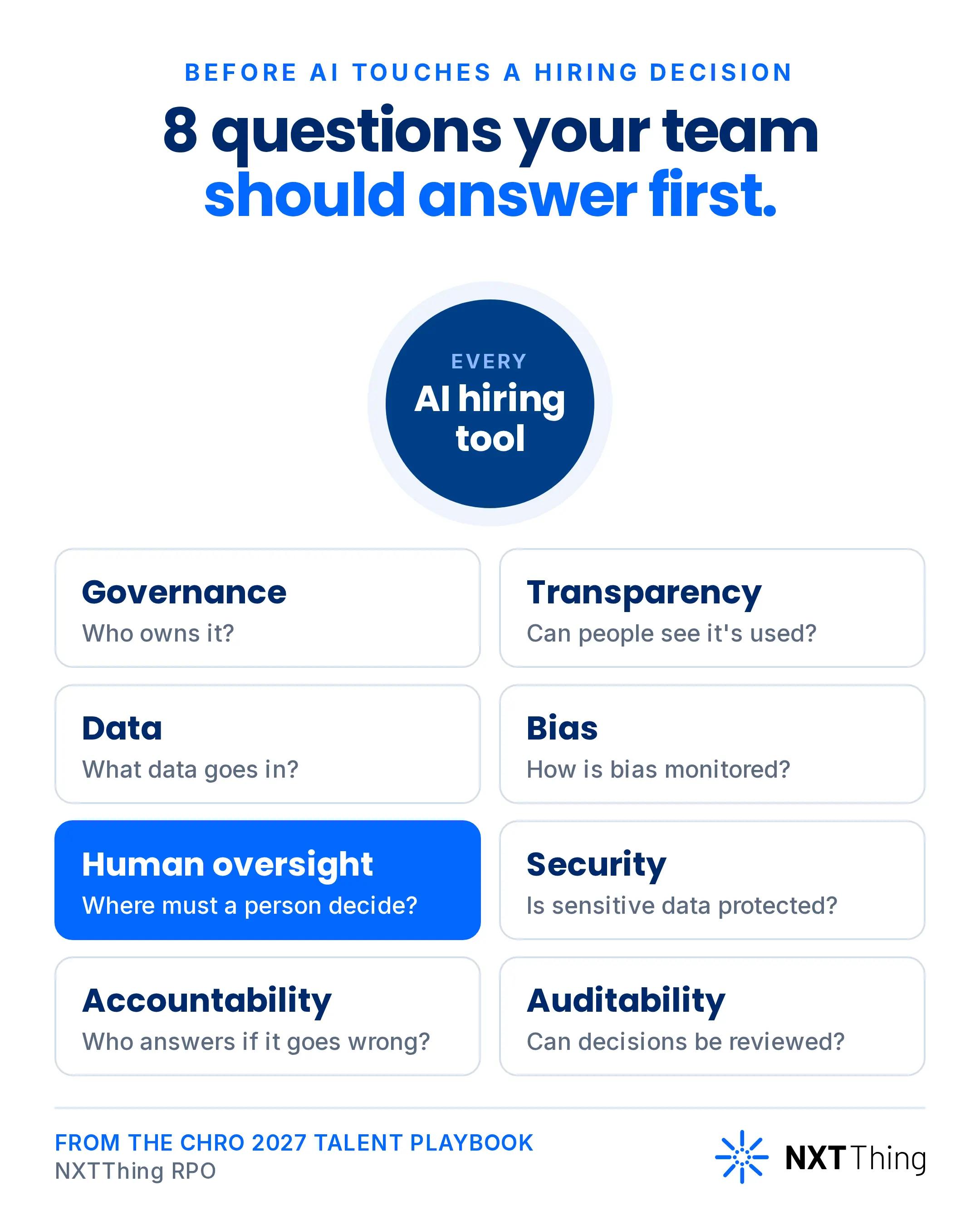
Conversations about AI screening and scoring went beyond the feature list. Attendees wanted to know how systems were trained, which criteria they used and how much employers could customize. Some also asked how to monitor bias.
These are questions worth taking into every demo.
- Can your recruiter understand why a candidate was recommended?
- Where does a person review the recommendation?
- What happens when something needs correcting?
Your team should be able to understand and question a recommendation. Keep the people making hiring decisions involved, with the information they need to decide what happens next.
Interview scheduling shouldn’t leave candidates waiting
The question we heard:
“Why is getting applicants into interviews still taking so long?”
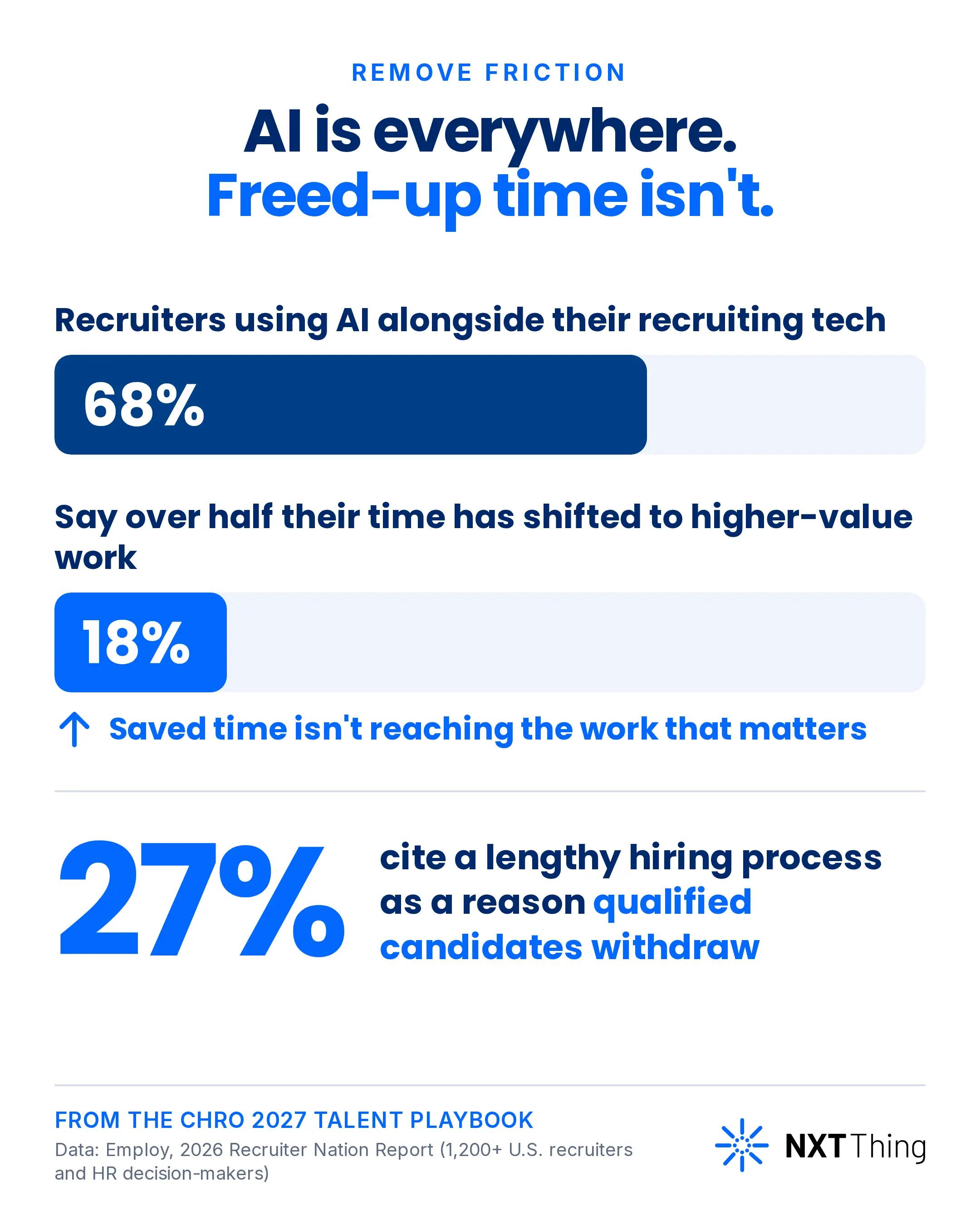
In one conversation, we heard about an employer taking several days to contact and schedule applicants and losing candidates during that time. Other conversations focused on the manual work of arranging interviews, especially when teams are hiring at volume.
Those discussions gave us a chance to show interview scheduling in Personegy, our recruiting technology, and talk through the steps between an application and an interview.
It’s worth looking at those steps in your own process.
- Is someone waiting for a callback?
- Does booking an interview depend on a recruiter finding a gap between other tasks?
- Find the delay first.
- Then decide where automation can take work off your team’s plate and where a person needs to step in.
More applicants aren’t always the answer
The question we heard:
“Do difficult roles need a different sourcing approach?”
One attendee put the sourcing challenge clearly: most of his openings attracted enough traffic. A smaller group remained difficult to fill. Yet the offers from providers were still for more applicants overall.
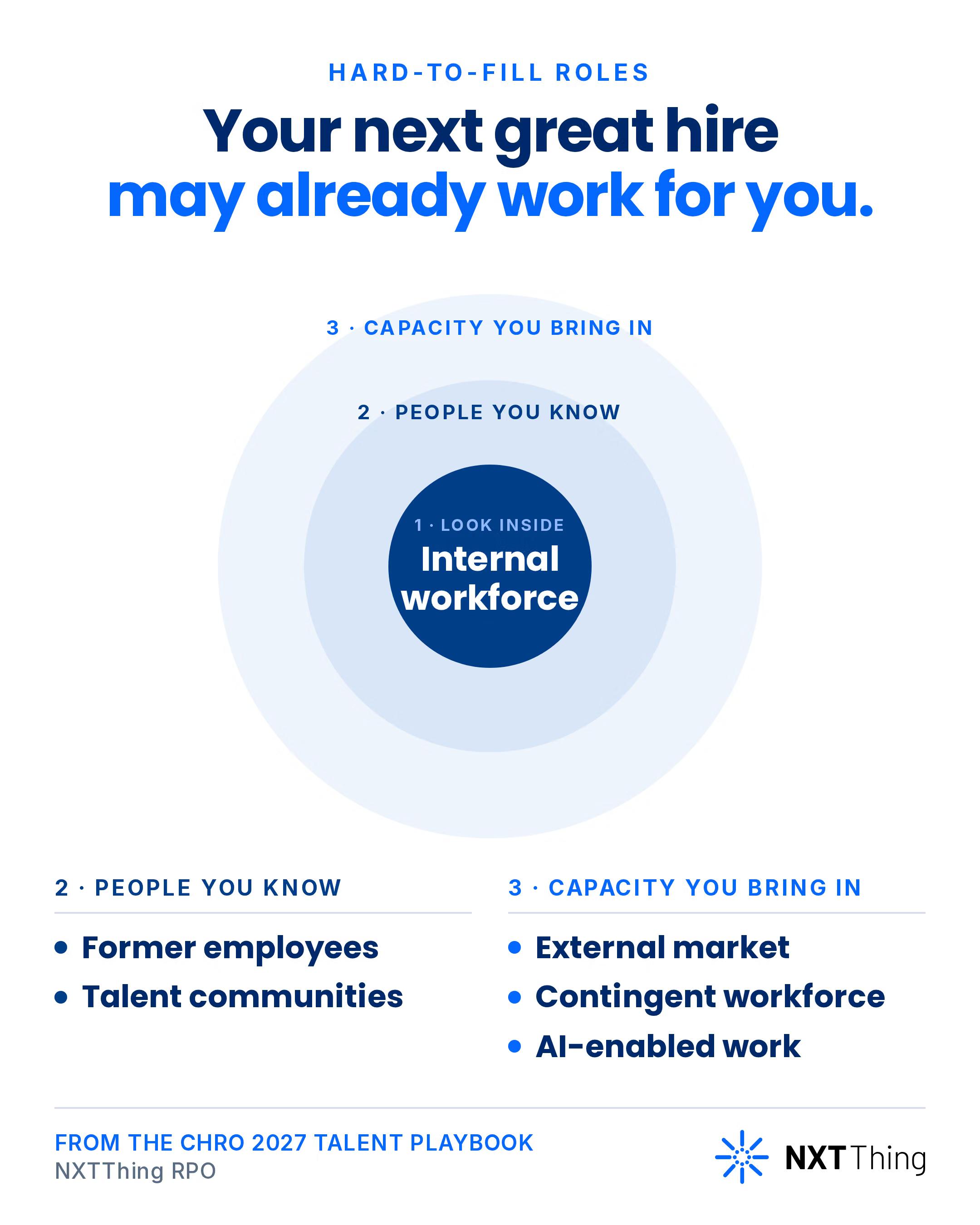
More applicants overall won’t necessarily help with those hard-to-fill roles. If certain roles or locations aren’t attracting the right people, candidate sourcing needs to focus there, not simply increase the total.
We also heard questions about candidate relationship management, sourcing tools and talent rediscovery. That raises another useful question: who is already in your database?
- Reconnecting with past candidates may be part of the answer.
- Other roles may need a different search.
The approach should fit the opening.
Keep people in the conversation
The question we heard:
“What skills will teams need, and where do people fit?”
Skills discussions looked in both directions: what employees can do today and what organizations will need next. Our team also noted sessions looking ahead to HR in 2030.
For talent leaders, that connects to decisions happening now.
- Which skills can you develop internally?
- Where do you need to hire?
A clearer picture of both helps your recruiting team know where to focus.
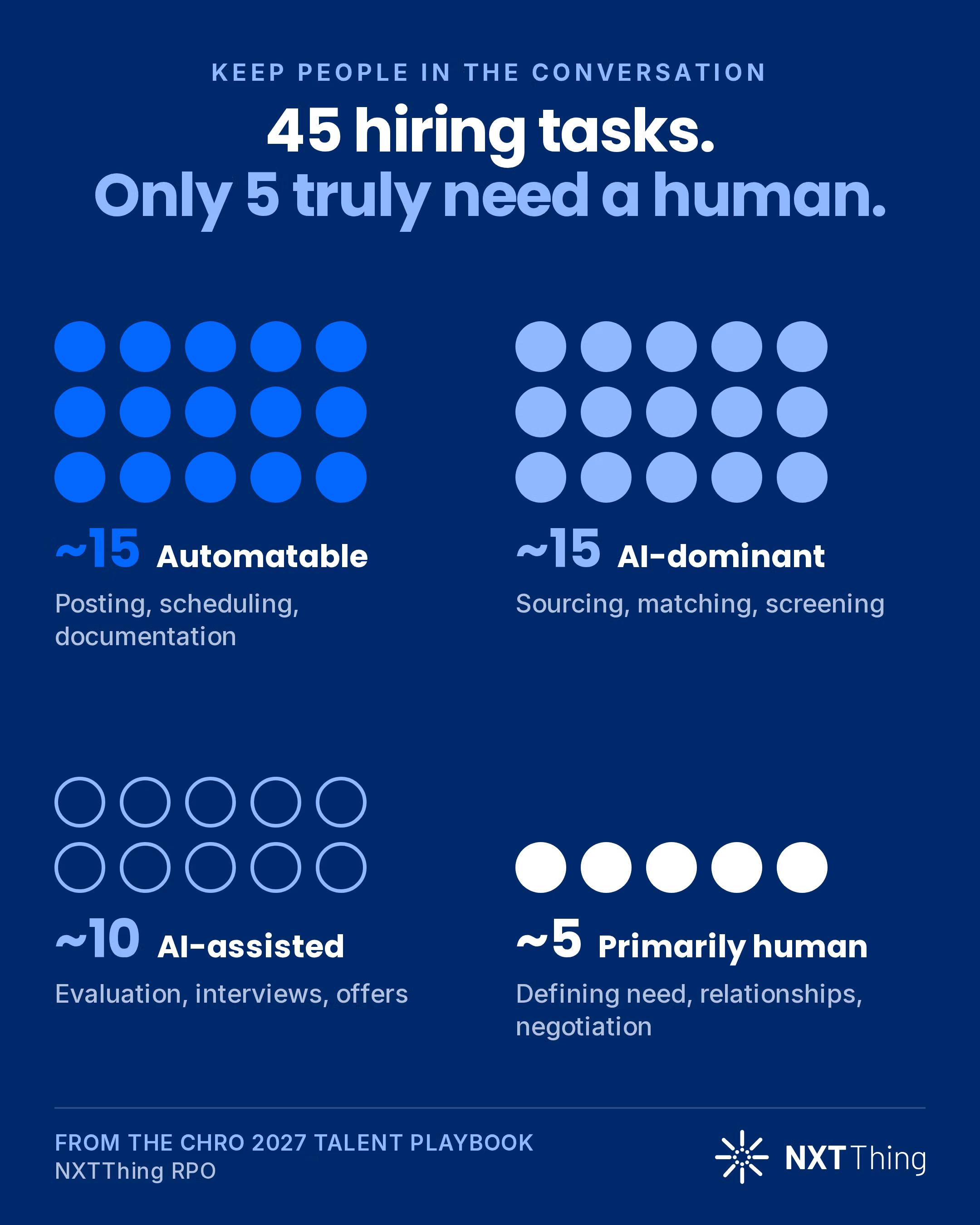
Alongside the technology conversations, attendees emphasized human interaction and candidate experience. Faster hiring should still leave room for questions, explanations and real conversations. The goal is to give recruiters more time for that work, not make it harder for candidates to reach a person.
Bring the focus back to your team
Our takeaway from HR Tech is straightforward: the next step doesn’t have to be a new platform or a complete overhaul.
Look at the wait between application and interview, the roles that keep staying open or the recommendations your recruiters need to understand. Where would a change make the most difference?
At NXTThing, we start by listening to the team doing the work. Understanding what’s getting in the way helps us bring the right recruiting support and technology to the problem.